


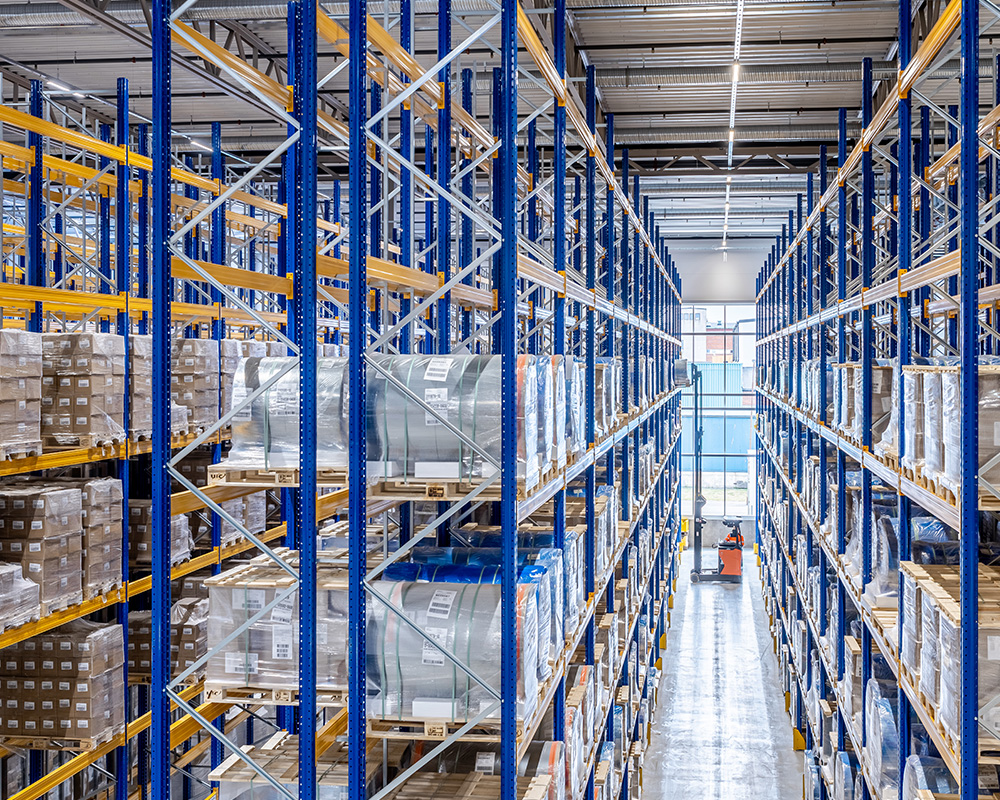
Food logistics is a constant balancing act between speed, accuracy, and traceability. For companies that sell snacks, nuts, and other consumer goods, logistics can be critical to the entire company’s profitability. These products often have a shorter shelf life, demand fluctuates significantly throughout the year, and customers expect the goods to always be available on the shelf when they want to shop.
When the shelf life is ticking
One of the biggest challenges in snack and food logistics is the short shelf life. Snacks and nuts often have a limited best-by date, and if the goods aren’t rotated properly, they risk losing value or becoming completely unsellable. The solution lies in implementing clear FIFO (first in, first out) procedures so that older products are always sold first. With a modern WMS system, this happens automatically, as the system controls picking based on delivery dates and eliminates the risk of human error.
Seasonal Fluctuations and Flexibility
Demand for snacks is anything but constant. During certain periods, such as Christmas, Easter, or major sporting events, sales can skyrocket, while other months are significantly quieter. This creates a financial challenge—how can you ensure sufficient capacity for peak periods without paying for unnecessary space during the off-season? The solution lies in choosing a logistics partner that offers flexible warehousing solutions and the ability to scale up capacity when it’s truly needed. This way, you can align costs with actual demand.
Hygiene as a Cornerstone
Food naturally places high demands on hygiene and handling, where a single mistake can have serious consequences for customer trust. It is therefore crucial that the warehouse has clear and well-defined procedures for hygiene, labeling, and documentation. Traceability from producer to end customer must always be possible, which is not only about meeting legal requirements but also about being able to act quickly if something goes wrong.
Smart distribution and returns management
Many food products are sold today via e-commerce, which means that distribution must be both fast and secure. Although returns are less common in the food sector than, for example, in fashion, they can still occur—and when they do, clear and streamlined procedures are required to handle them professionally. By working with carriers that can deliver within 24–48 hours, combined with a logistics partner that handles returns efficiently, you create a customer experience that builds loyalty.
From Problem to Success – The Tropic Snacks Case
When Prima Food Group Sweden, with the Tropic Snacks brand, needed a new logistics partner for its natural snacks, they had outgrown their own warehouse. The company, which sells nuts, dried fruit, and other snacks both in bulk and in bagged packages to grocery retailers, needed a partner that could grow with them. Since March 2024, we have been managing theirGP Last entire inventory of finished goods—from incoming shipments to picking and loading distribution trucks. The major benefit for Tropic Snacks has been the flexibility to easily scale up or down as needed, which is crucial for a growing company. Thanks to professional management with a focus on hygiene and efficient processes, they can now fully focus on their core business without worrying about inventory and logistics.
Summary
Snack and food logistics require a combination of precision, flexibility, and traceability. By using digital systems, working with a partner who can adapt to your needs, and maintaining high hygiene standards, companies can both save money and build stronger, more sustainable customer relationships. Would you like to learn more about our solutions for snack and food companies? Please feel free to contact us to discuss your needs.